Art in America
Art in America
Nov 1, 2019
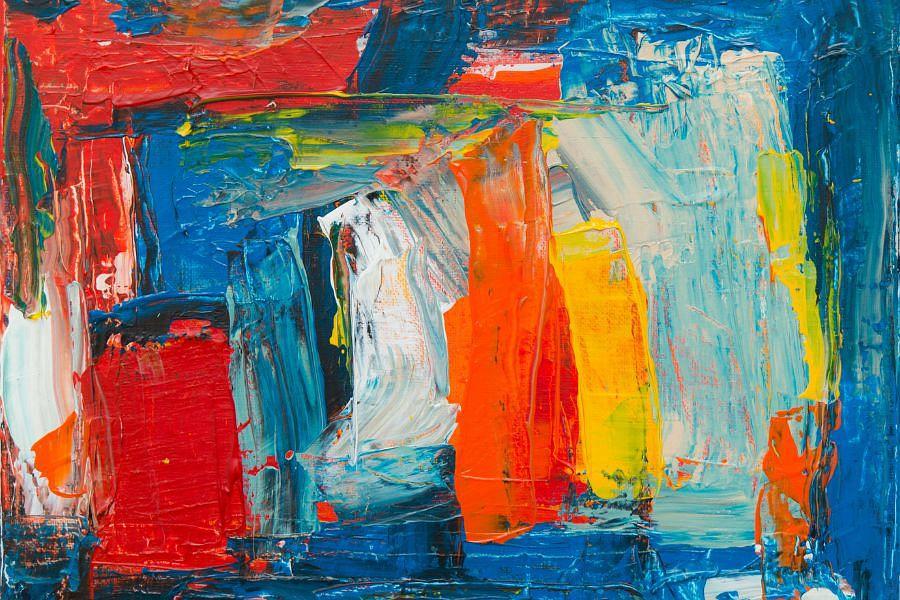
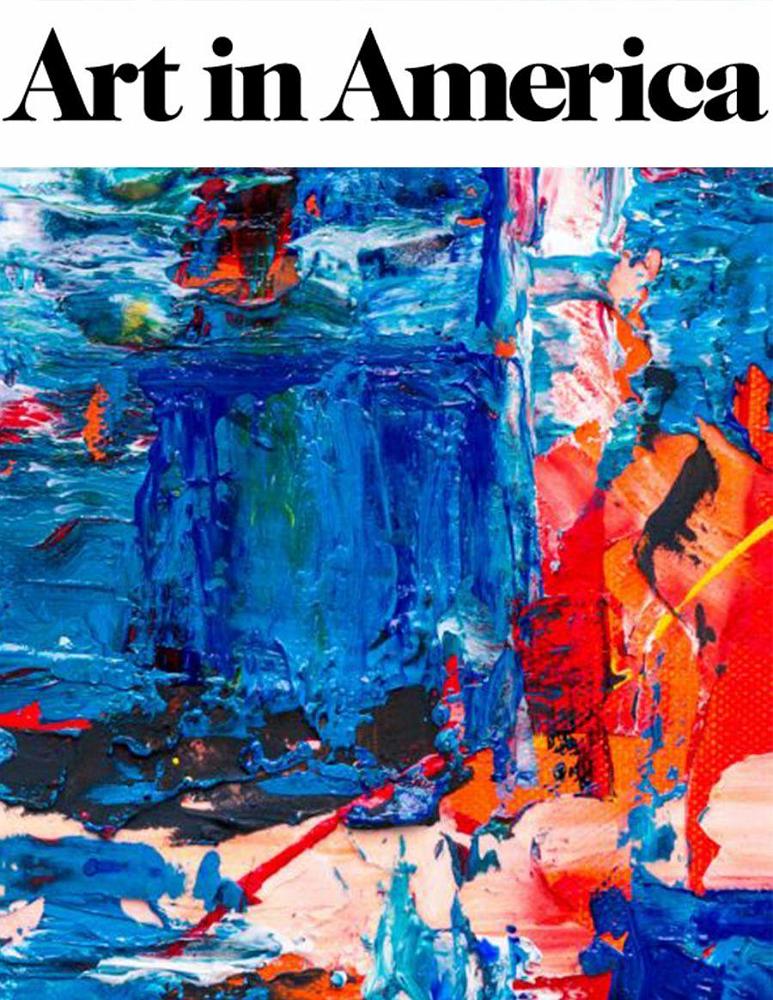
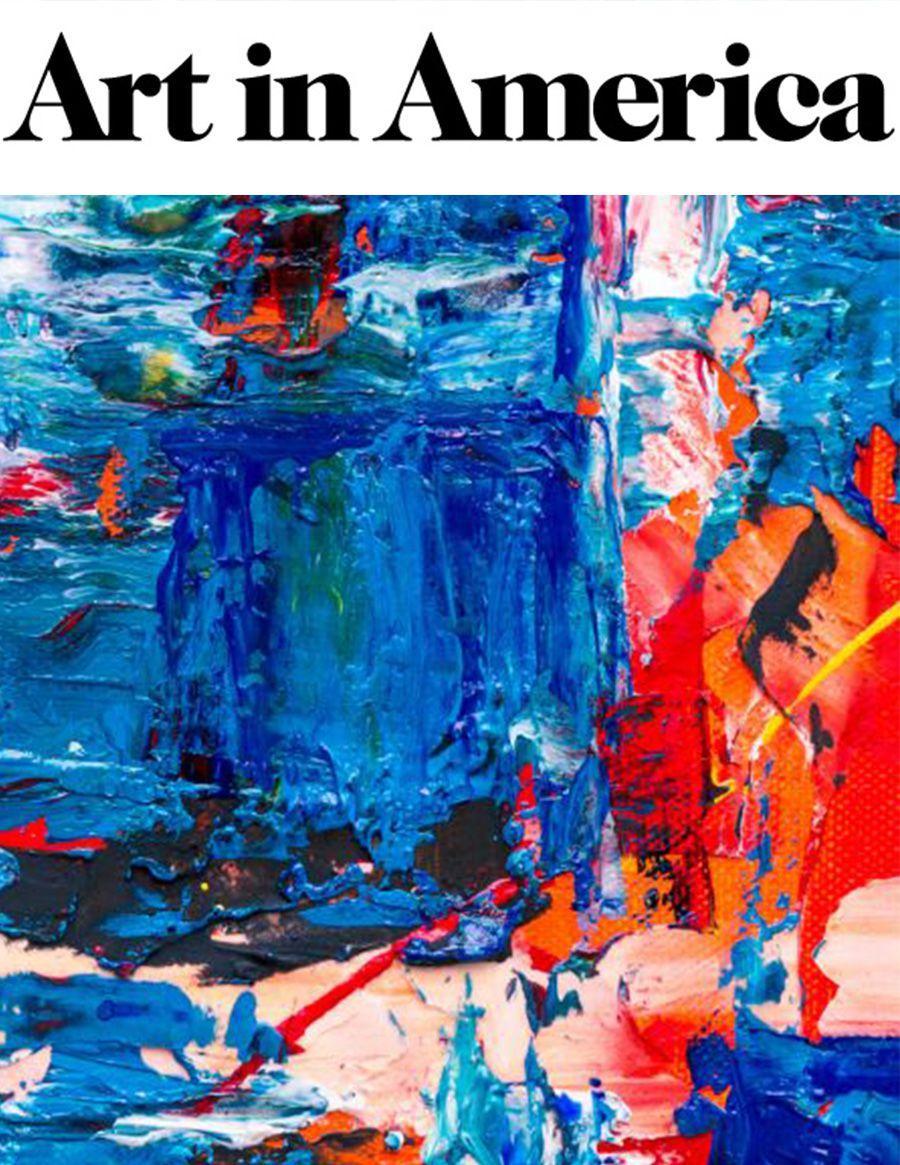
In the ever-evolving landscape of contemporary painting, Luis Tyler stands out as a bold voice in modern abstraction. His canvases pulse with energy, layering gesture, texture, and color into compositions that defy easy categorization. Tyler’s work is rooted in emotion, often described as “visual jazz” for its improvisational rhythm and expressive depth. Born in Chicago and now based in Los Angeles, Tyler draws inspiration from urban architecture, memory, and sound. His latest series, Echoes of Form, explores the tension between structure and spontaneity. Broad strokes collide with delicate marks, creating a dynamic interplay of control and chaos.
Critics have praised Tyler’s ability to evoke feeling through abstraction without relying on narrative. “He paints like he’s composing music,” says curator Dana Liu, “each canvas is a movement.” Tyler’s studio practice is deeply physical, involving scraping, layering, and reworking surfaces until they hum with life. His use of unconventional materials—plaster, graphite, and found pigments—adds a tactile dimension to his work. In recent years, Tyler has exhibited in New York, Berlin, and São Paulo, gaining international recognition. His paintings have been acquired by major collections, including the Hammer Museum and the Walker Art Center. Despite his growing acclaim, Tyler remains committed to experimentation and risk. “I’m not interested in perfection,” he says, “I’m chasing resonance.” His work challenges viewers to engage with abstraction as a space of possibility rather than resolution. Tyler’s approach is both cerebral and visceral, inviting contemplation and emotional response. As abstraction continues to evolve, Luis Tyler is helping to redefine its boundaries. His paintings are not just objects—they are experiences. With each new series, Tyler deepens his exploration of what it means to see, feel, and remember through paint.
Critics have praised Tyler’s ability to evoke feeling through abstraction without relying on narrative. “He paints like he’s composing music,” says curator Dana Liu, “each canvas is a movement.” Tyler’s studio practice is deeply physical, involving scraping, layering, and reworking surfaces until they hum with life. His use of unconventional materials—plaster, graphite, and found pigments—adds a tactile dimension to his work. In recent years, Tyler has exhibited in New York, Berlin, and São Paulo, gaining international recognition. His paintings have been acquired by major collections, including the Hammer Museum and the Walker Art Center. Despite his growing acclaim, Tyler remains committed to experimentation and risk. “I’m not interested in perfection,” he says, “I’m chasing resonance.” His work challenges viewers to engage with abstraction as a space of possibility rather than resolution. Tyler’s approach is both cerebral and visceral, inviting contemplation and emotional response. As abstraction continues to evolve, Luis Tyler is helping to redefine its boundaries. His paintings are not just objects—they are experiences. With each new series, Tyler deepens his exploration of what it means to see, feel, and remember through paint.